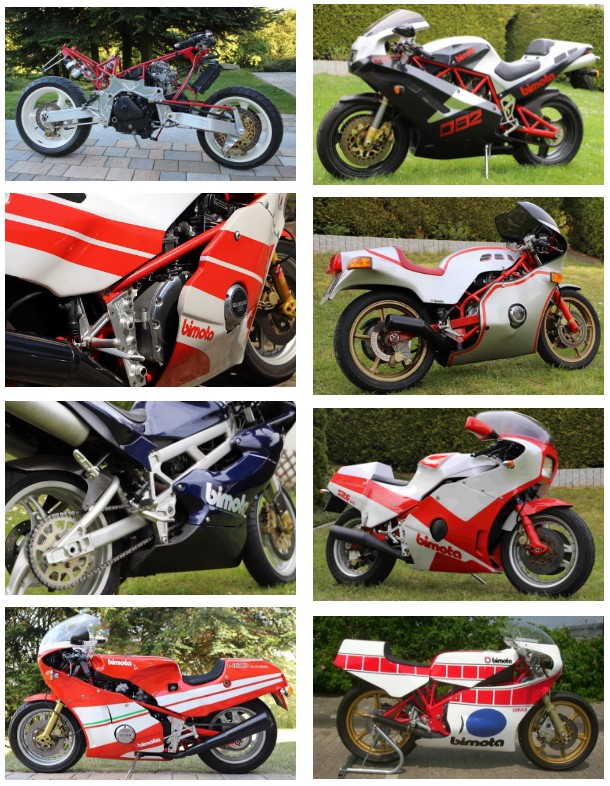
Classic Bimotas are known more for their sporting qualities than their suitability for touring. One exception is the DB3, which, with its naked styling and upright riding position, occupies the café racer and naked bike segment. That is why my DB3 is always my first choice for longer trips – it is comfortable enough to ride for days on end. However, even this model offers none of the touring accessories one might wish for, such as a luggage rack.
As the 2023 season approached, I therefore came up with a plan to create an alternative to the DB3 for longer journeys without abandoning my favourite motorcycle brand. The result was my “touring Bimota”, based on the YB8. You can read the full story here:
https://bimota.info/stories/my-travel-bimota/
However, I am not entirely happy with my touring Bimota. It works reasonably well as a touring bike: the high handlebars provide a more relaxed riding position, the “boot” offers additional storage space, and a 70-litre luggage bag can be mounted on the rear. Nevertheless, my basic philosophy remains that classic Bimotas should be preserved and ridden as close to their original condition as possible.
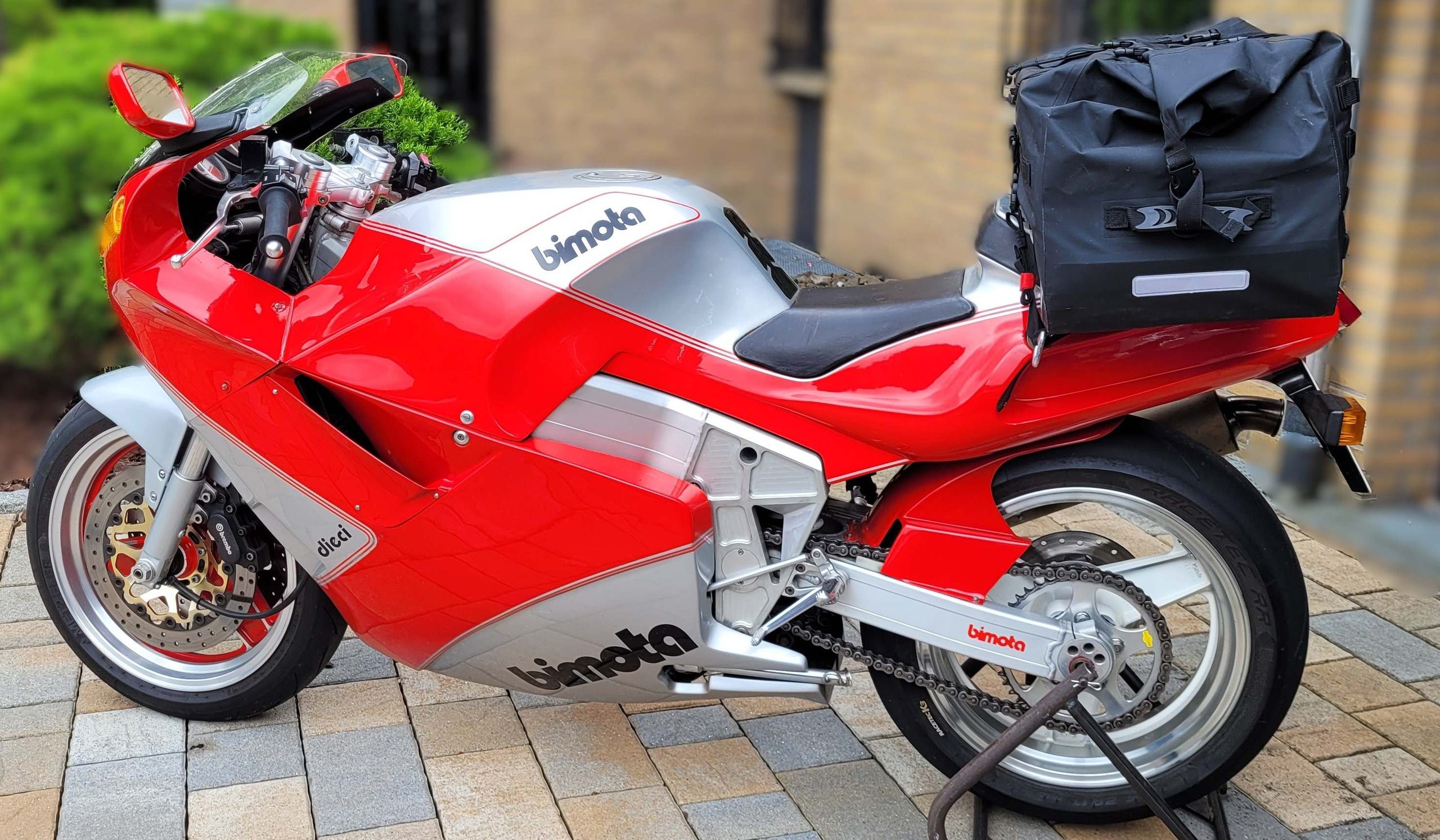
So, another solution is needed. But which model would be suitable? Apart from the DB3, the YB10 Dieci, introduced in 1990, offers the least sporty riding position in Bimota’s classic line-up. Bimota positioned it as a sports tourer, making it a distinct model based on the YB8 but with somewhat more relaxed ergonomics. The clip-on handlebars are mounted above the top yoke, some two centimetres higher than on the YB8. The footpegs are also positioned 1.5 centimetres lower, while the seat height is increased by two centimetres. Taken together, these changes result in a more upright riding position than on the YB8.
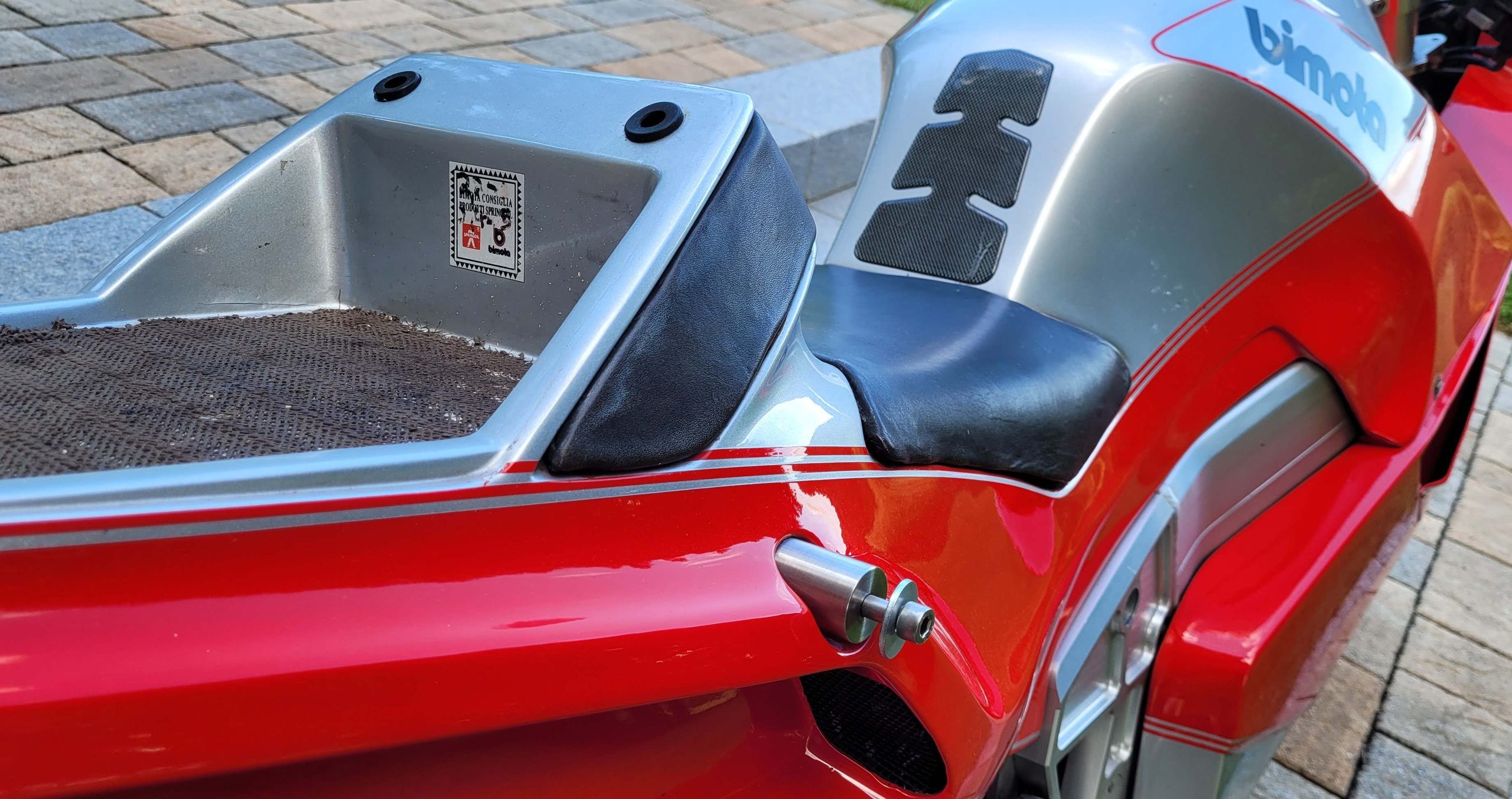
Of course, when it comes to long-distance comfort, the Dieci cannot compete with either the DB3 or my touring Bimota. However, it is considerably more relaxed to ride than the other sports bikes from Rimini. That leaves the question of luggage. A look at the monocoque provides the answer: behind the seat is a storage compartment covered by a quick-release lid.
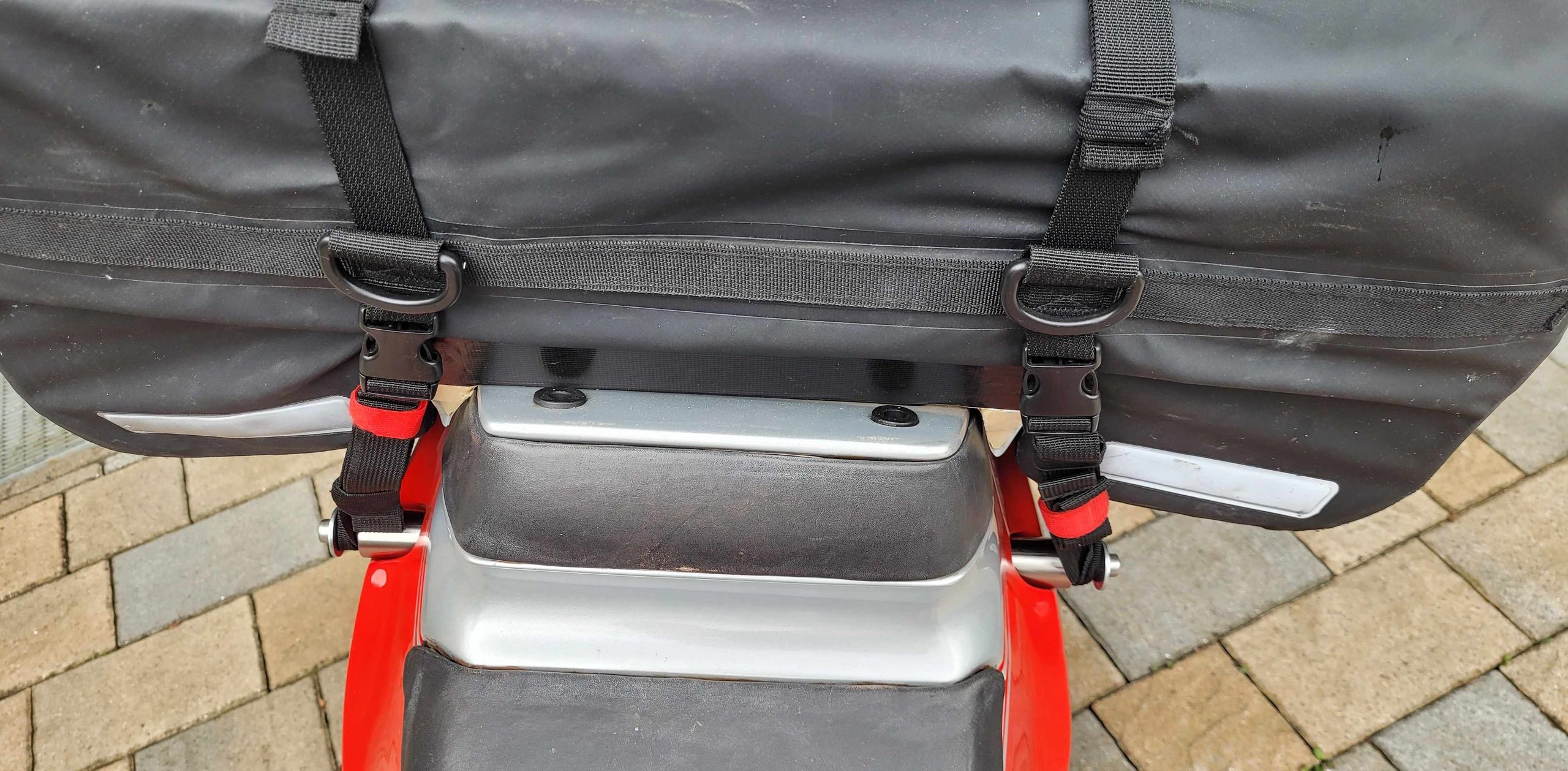
To mount the luggage bag, I made an adapter out of polystyrene rigid foam. The underside is shaped to fit the storage compartment, while the top provides a flat, square mounting surface for the bag.
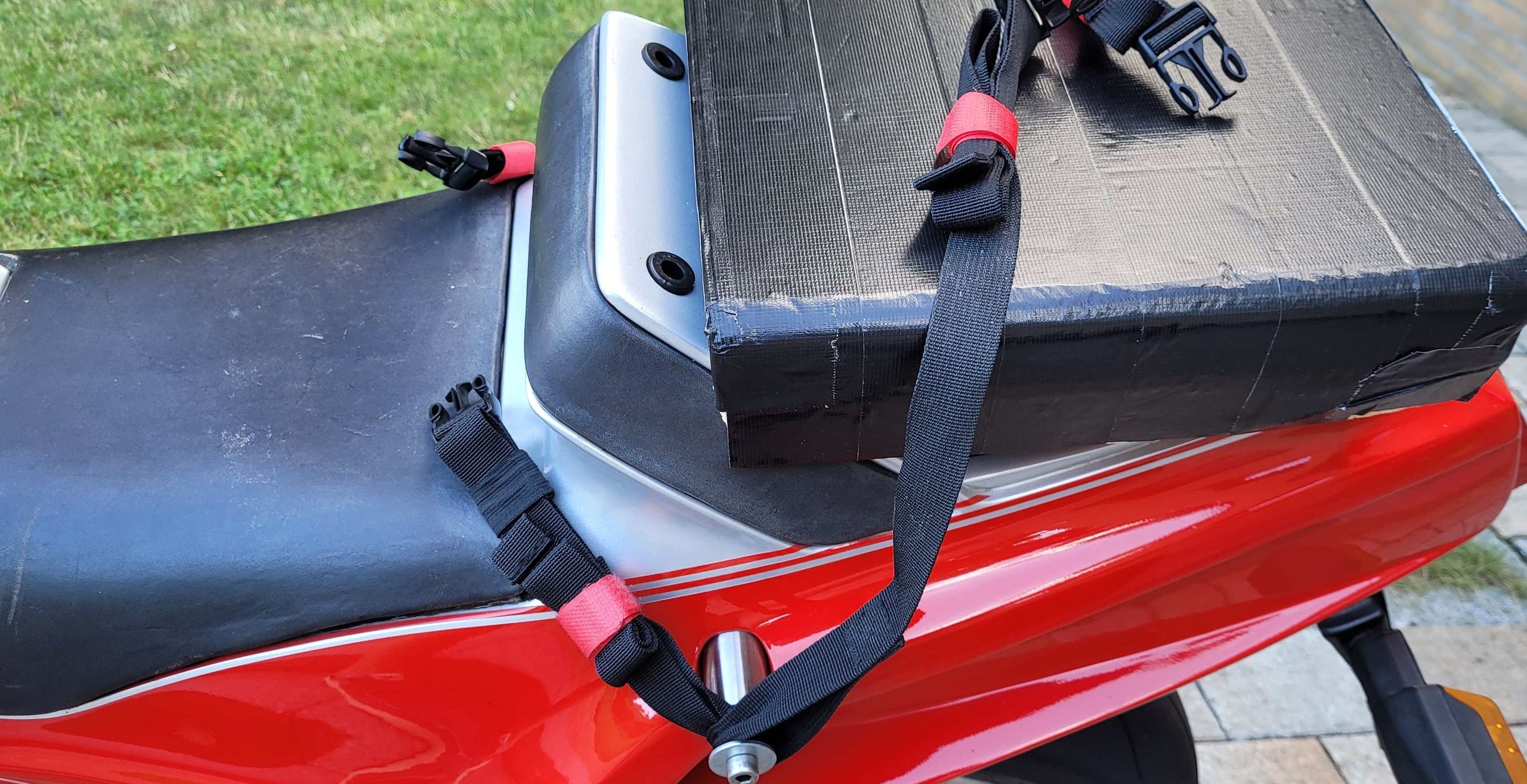
The assembly is secured using newly manufactured M20 bolts that fasten the monocoque to the rear subframe. These bolts are longer than the originals and strong enough to allow the luggage bag to be strapped down both forwards and backwards.
As for the luggage bag itself, similar models are available from various manufacturers. Made from waterproof material, it is secured with straps and closed with a roll-top fastening. With a capacity of 70 litres, it offers ample space for luggage on longer trips.